World War III in Fiction and Film: A Short History
Ever since the Second World War ended, writers have kept asking the same question: what would the next one look like? The answer has changed with each generation’s fears, from the atomic bomb to cyberwar. Here is a quick tour of the landmarks.
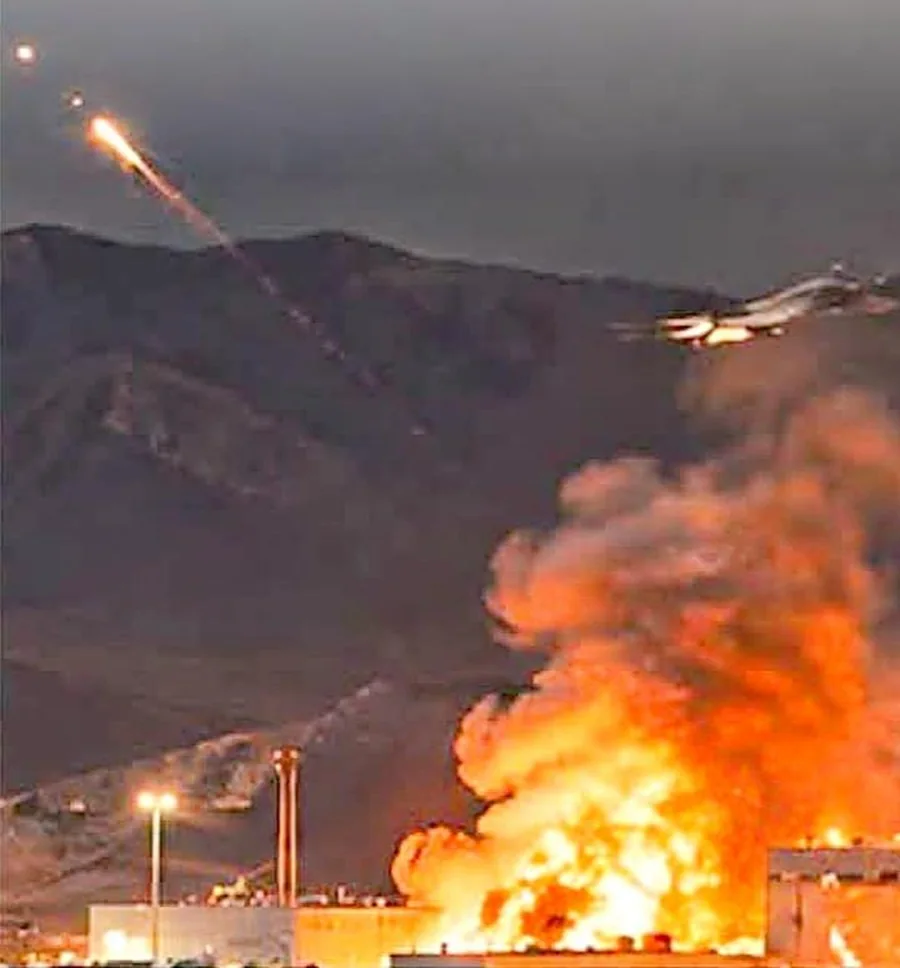
The 1950s and 1960s: nuclear dread
In 1957 Nevil Shute published On the Beach. We never see a battle: the war is already over, and survivors in Australia wait for the radioactive cloud to reach them. The 1959 film made it a reference point for the idea that a nuclear war has no winner.
Fail-Safe (1962) by Eugene Burdick and Harvey Wheeler followed, about a technical error that sends American bombers towards Moscow. In 1964 Stanley Kubrick’s Dr. Strangelove turned the same idea into black comedy: the system built to prevent war is the one that drags the world into it.
The common thread of this period: the fear is not only of the enemy, but of the machine we built and can no longer control.
The 1970s and 1980s: a conventional war between the blocs
In 1978 retired British general Sir John Hackett and a team of officers and experts published The Third World War: August 1985, a scenario written as future history that imagined a Soviet attack on Western Europe. It sold widely because it read like the military’s own thinking.
In 1986 Tom Clancy published Red Storm Rising, a NATO–Soviet war fought with submarines, aircraft and tanks that never becomes an all-out nuclear exchange.
Meanwhile the screen returned to nuclear horror: the American TV film The Day After (1983), the British film Threads (1984), and WarGames (1983), in which a military computer nearly starts a war believing it is playing a game.
After the Cold War: from Moscow to the Pacific
After the fall of the Berlin Wall the genre faded for some years, then returned with the rise of China. In 2015 P. W. Singer and August Cole published Ghost Fleet, a US–China war that begins with strikes on satellites and networks before any naval battle.
In 2021 Elliot Ackerman and retired US Admiral James Stavridis published 2034, a US–China war that starts with an incident in the South China Sea. In these recent novels the first weapon is no longer the missile but the blackout: cables, satellites and data.
What changed in the way we imagine war?
Put these works side by side and three shifts stand out:
First, the centre of danger moved from Europe to Asia and the sea lanes. Second, war is no longer an event that starts at a set hour but a chain of crises in energy, trade and communications. Third, the question “who controls information?” became as important as “who has the weapons?”.
One thing has stayed constant for decades: fiction does not predict war. It rehearses it on paper, so we can understand how it could happen and why it must not.
Where does The Blue Plan fit?
The Blue Plan: On the Brink of Collapse belongs to this tradition, but looks at it from the southern shore of the Mediterranean. Its hero, Khaled, a young Algerian, finds a document bearing his own signature in the winter of 2010 and follows a cold voice called “the Blue” through a fictional world war scenario between 2027 and 2030.
The war arrives the way it does in modern fiction: straits are closed, shipping routes stop, markets collapse. But its deeper question is not “what will happen?” but “who writes history… and who merely believes he is writing it?”